
- 작성일
- 2026.02.11
- 수정일
- 2026.03.10
- 작성자
- 글로컬대학사업추진단
- 조회수
- 57
반도체공동연구소, 연구 성과를 교육혁신으로 ‘확장’
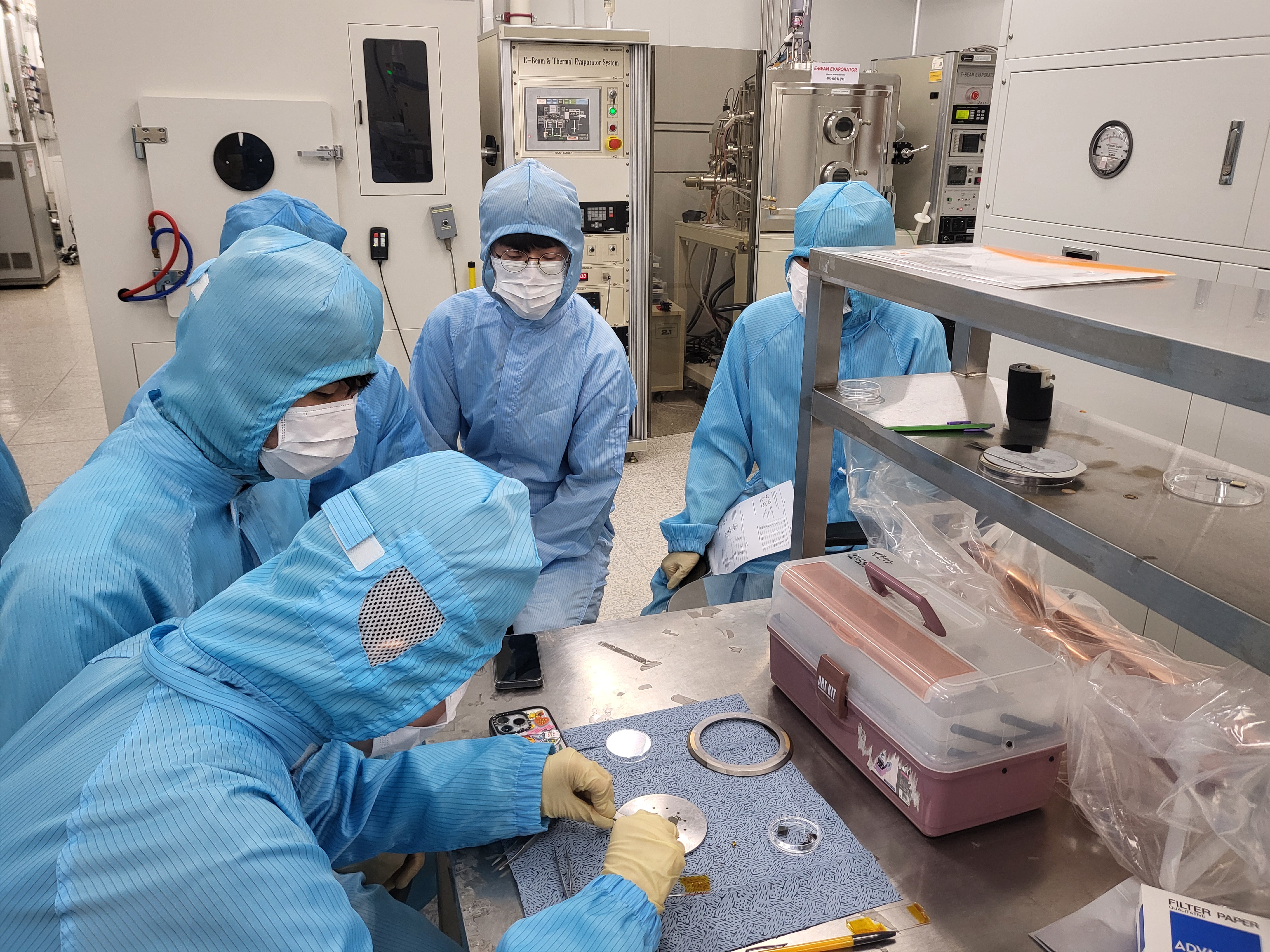
지난해 602억 원 규모의 대형 국책사업인 반도체공동연구소 공모에 선정되며 차세대 반도체 연구 거점으로 도약한 전북대학교가 연구 인프라 구축 성과를 교육 현장으로 확장하며 실질적 반도체 인재 양성에 나섰다.
반도체공동연구소설립추진단은 올해 기업 연계형 2개 교과목을 신설하고, 반도체 산업 수요를 반영한 맞춤형 교육을 본격화한다고 9일 밝혔다. 대규모 연구 인프라를 교육 체계에 선제적으로 연계함으로써 연구–교육–산업을 하나의 축으로 연결하기 위함이다.
이번에 신설된 교과목은 ▲‘차세대 반도체공정(Next-Generation Semiconductor Processes)’ ▲‘반도체화학소재(Semiconductor Chemical Materials)’로, 모두 반도체공동연구소를 중심으로 운영된다. 특히 해당 교과목에는 SK하이닉스 임원 출신 신규 교원과 지역 내 반도체 화학소재 기업인 동우화인캠 임원 등이 참여해 산업 현장 실수요와 기술 흐름을 교육에 직접 반영한다는 점이 특징이다.
단순한 이론 수업을 넘어 반도체 관련 기업과의 연계를 통한 맞춤형 교육을 제공함으로써 졸업 이후 곧바로 기업 현장에 투입 가능한 ‘기업 친화형 인재’ 양성이 목표다.
특히 반도체 소재·케미컬·센서 분야에서 강점을 지닌 지역 산업 구조와 연계해, 학생들이 지역 기업과 산업 생태계를 자연스럽게 이해하고 진로로 연결할 수 있도록 할 계획이다.
반도체공동연구소설립추진단은 “이번 기업 기업 연계 교과과정 신설은 향후 연구개발과 산업 현장에 즉시 투입 가능한 실무형 인재 양성의 기반이 될 것으로 기대된다”며 “지역 산업 강점과 대학 역량을 결합한 전북형 반도체 플랫폼으로 거듭나고, 반도체 우수인력 양성의 허브가 될 수 있도록 기업과의 연계를 강화해 나가겠다”고 밝혔다.
한편, 전북대는 지난해 반도체공동연구소 공모 선정 이후 ‘반도체공동연구소 설립추진단’을 출범시키고, 전북특별자치도·전주시를 비롯한 지자체, 지역 대학·연구기관, 동우화인켐·OCI·한솔케미칼·KCC·광전자·오디텍·P&L Semi 등 도내 주요 반도체 기업들과 협력 체계를 구축해 왔다.
현재 반도체물성연구센터(SPRC) 인근 부지에 총 3,800㎡ 규모로 조성 반도체공동연구소를 조성 중에 있다. 연구소는 400여 평의 클린룸과 실험·교육 공간을 갖춘 첨단 복합 연구 인프라로 2027년 완공을 목표로 하고 있다. 단순한 연구 공간을 넘어, 실증 테스트베드와 전문 인력 양성의 핵심 거점이 될 것으로 기대된다.
Semiconductor Joint Research Center Expands Research Achievements into Educational Innovation
Jeonbuk National University (JBNU) was selected last year for a KRW 60.2 billion national project to establish a Semiconductor Joint Research Center. The selection has positioned the university as a next-generation semiconductor research hub. JBNU is now extending its research infrastructure into education to foster industry-ready talent.
The Semiconductor Joint Research Center Establishment Task Force announced on the 9th that it will launch two new industry-linked courses this year and expand customized education reflecting the needs of the semiconductor industry.
The newly introduced courses are Next-Generation Semiconductor Processes and Semiconductor Chemical Materials, both of which will be offered in connection with the Semiconductor Joint Research Center. Notably, the courses involve newly appointed faculty members with executive experience at SK hynix, as well as industry leaders from Dongwoo Fine-Chem, a regional semiconductor chemical materials company. Their participation allows real-world industry demand and emerging technology trends to be directly reflected in the curriculum.
These courses will go beyond conventional theoretical instruction by providing tailored education in collaboration with semiconductor companies. The goal is to cultivate “industry-ready talent” who can contribute to the industry immediately upon graduation.
The courses will also be linked with regional industries that have strong capabilities in semiconductor materials, chemicals, and sensors, helping students better understand local companies and the broader industrial ecosystem and connect these experiences to their future career paths.
The task force stated that the newly introduced industry-linked curriculum is expected to lay the foundation for cultivating practice-oriented talent ready to contribute immediately in research and industrial settings. It added that the university will continue strengthening collaboration with companies. Through these efforts, the university aims to evolve into a Jeonbuk-style semiconductor platform that combines regional industrial strengths with the university’s capabilities and serves as a hub for training outstanding semiconductor professionals.
Meanwhile, Jeonbuk National University launched the Preparatory Office for the Semiconductor Joint Research Center after being selected last year for the national Semiconductor Joint Research Center project. Since then, the university has built a collaborative network with local governments—including Jeonbuk State and Jeonju City—as well as regional universities, research institutes, and major semiconductor companies in the province including Dongwoo Fine-Chem, OCI, Hansol Chemical, KCC, Kwang Electronics, ODTECH, and PNL Semi.
The Semiconductor Joint Research Center is currently under construction on a site near the Semiconductor Physics Research Center (SPRC), with a total floor area of approximately 3,800 square meters. The center will feature advanced integrated research infrastructure, including a 1,320-square-meter cleanroom and dedicated spaces for experimentation and education, with completion scheduled for 2027. Beyond serving as a research facility, the center is expected to become a key hub for technology testbeds and the training of specialized semiconductor professionals.
반도체공동연구소설립추진단은 올해 기업 연계형 2개 교과목을 신설하고, 반도체 산업 수요를 반영한 맞춤형 교육을 본격화한다고 9일 밝혔다. 대규모 연구 인프라를 교육 체계에 선제적으로 연계함으로써 연구–교육–산업을 하나의 축으로 연결하기 위함이다.
이번에 신설된 교과목은 ▲‘차세대 반도체공정(Next-Generation Semiconductor Processes)’ ▲‘반도체화학소재(Semiconductor Chemical Materials)’로, 모두 반도체공동연구소를 중심으로 운영된다. 특히 해당 교과목에는 SK하이닉스 임원 출신 신규 교원과 지역 내 반도체 화학소재 기업인 동우화인캠 임원 등이 참여해 산업 현장 실수요와 기술 흐름을 교육에 직접 반영한다는 점이 특징이다.
단순한 이론 수업을 넘어 반도체 관련 기업과의 연계를 통한 맞춤형 교육을 제공함으로써 졸업 이후 곧바로 기업 현장에 투입 가능한 ‘기업 친화형 인재’ 양성이 목표다.
특히 반도체 소재·케미컬·센서 분야에서 강점을 지닌 지역 산업 구조와 연계해, 학생들이 지역 기업과 산업 생태계를 자연스럽게 이해하고 진로로 연결할 수 있도록 할 계획이다.
반도체공동연구소설립추진단은 “이번 기업 기업 연계 교과과정 신설은 향후 연구개발과 산업 현장에 즉시 투입 가능한 실무형 인재 양성의 기반이 될 것으로 기대된다”며 “지역 산업 강점과 대학 역량을 결합한 전북형 반도체 플랫폼으로 거듭나고, 반도체 우수인력 양성의 허브가 될 수 있도록 기업과의 연계를 강화해 나가겠다”고 밝혔다.
한편, 전북대는 지난해 반도체공동연구소 공모 선정 이후 ‘반도체공동연구소 설립추진단’을 출범시키고, 전북특별자치도·전주시를 비롯한 지자체, 지역 대학·연구기관, 동우화인켐·OCI·한솔케미칼·KCC·광전자·오디텍·P&L Semi 등 도내 주요 반도체 기업들과 협력 체계를 구축해 왔다.
현재 반도체물성연구센터(SPRC) 인근 부지에 총 3,800㎡ 규모로 조성 반도체공동연구소를 조성 중에 있다. 연구소는 400여 평의 클린룸과 실험·교육 공간을 갖춘 첨단 복합 연구 인프라로 2027년 완공을 목표로 하고 있다. 단순한 연구 공간을 넘어, 실증 테스트베드와 전문 인력 양성의 핵심 거점이 될 것으로 기대된다.
Semiconductor Joint Research Center Expands Research Achievements into Educational Innovation
Jeonbuk National University (JBNU) was selected last year for a KRW 60.2 billion national project to establish a Semiconductor Joint Research Center. The selection has positioned the university as a next-generation semiconductor research hub. JBNU is now extending its research infrastructure into education to foster industry-ready talent.
The Semiconductor Joint Research Center Establishment Task Force announced on the 9th that it will launch two new industry-linked courses this year and expand customized education reflecting the needs of the semiconductor industry.
The newly introduced courses are Next-Generation Semiconductor Processes and Semiconductor Chemical Materials, both of which will be offered in connection with the Semiconductor Joint Research Center. Notably, the courses involve newly appointed faculty members with executive experience at SK hynix, as well as industry leaders from Dongwoo Fine-Chem, a regional semiconductor chemical materials company. Their participation allows real-world industry demand and emerging technology trends to be directly reflected in the curriculum.
These courses will go beyond conventional theoretical instruction by providing tailored education in collaboration with semiconductor companies. The goal is to cultivate “industry-ready talent” who can contribute to the industry immediately upon graduation.
The courses will also be linked with regional industries that have strong capabilities in semiconductor materials, chemicals, and sensors, helping students better understand local companies and the broader industrial ecosystem and connect these experiences to their future career paths.
The task force stated that the newly introduced industry-linked curriculum is expected to lay the foundation for cultivating practice-oriented talent ready to contribute immediately in research and industrial settings. It added that the university will continue strengthening collaboration with companies. Through these efforts, the university aims to evolve into a Jeonbuk-style semiconductor platform that combines regional industrial strengths with the university’s capabilities and serves as a hub for training outstanding semiconductor professionals.
Meanwhile, Jeonbuk National University launched the Preparatory Office for the Semiconductor Joint Research Center after being selected last year for the national Semiconductor Joint Research Center project. Since then, the university has built a collaborative network with local governments—including Jeonbuk State and Jeonju City—as well as regional universities, research institutes, and major semiconductor companies in the province including Dongwoo Fine-Chem, OCI, Hansol Chemical, KCC, Kwang Electronics, ODTECH, and PNL Semi.
The Semiconductor Joint Research Center is currently under construction on a site near the Semiconductor Physics Research Center (SPRC), with a total floor area of approximately 3,800 square meters. The center will feature advanced integrated research infrastructure, including a 1,320-square-meter cleanroom and dedicated spaces for experimentation and education, with completion scheduled for 2027. Beyond serving as a research facility, the center is expected to become a key hub for technology testbeds and the training of specialized semiconductor professionals.