
- 작성일
- 2026.09.01
- 수정일
- 2026.09.02
- 작성자
- 글로컬대학추진팀
- 조회수
- 66
간호학과-사회복지학과, 글로벌 PBL 프로그램으로 ‘은둔청년 회복’ 해법 찾다
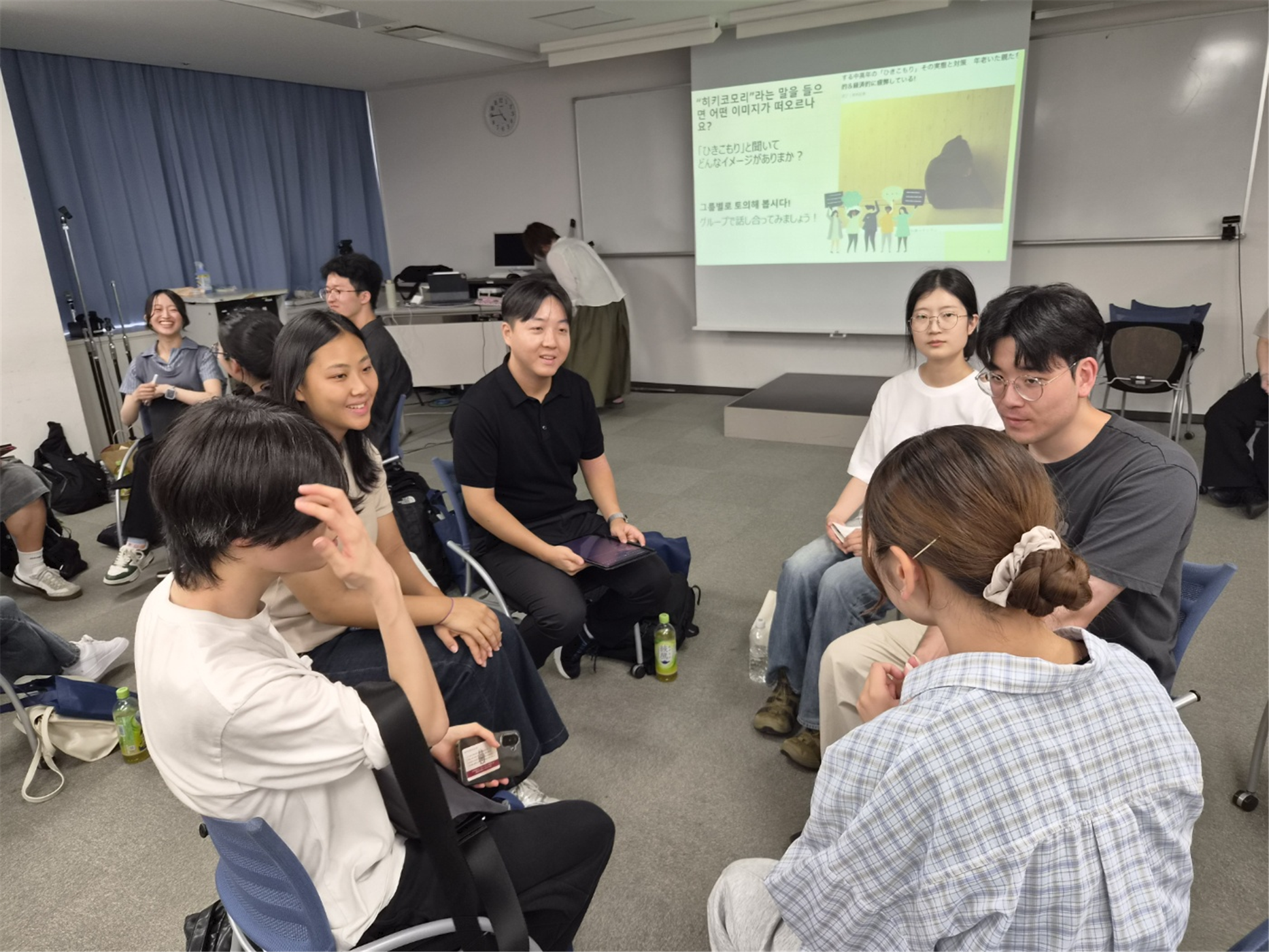
전북대학교 간호학과와 사회복지학과가 ‘2026 글로벌 PBL 프로그램’을 통해 고립·은둔 청년의 회복 역량을 높이기 위한 전공 간 협력 교육과 일본 현장연수를 운영하며 통합적 지원 방안을 모색했다.
전북대는 간호학과와 사회복지학과 학생을 대상으로 ‘IPE 기반 Co-Production PBL을 통한 고립·은둔 청년 회복 역량 강화 프로그램’을 진행했다고 19일 밝혔다. 이번 프로그램에는 간호학과 김지영·정재원 교수와 사회복지학과 김서현 교수가 참여했으며, 학부생과 대학원생을 포함해 간호학과 10명, 사회복지학과 10명 등 총 20명의 학생이 함께했다.
2026 글로벌 PBL 프로그램의 일환으로 추진된 이번 교육은 국내 사전학습 3일과 지난 8월 10일부터 14일까지 진행된 일본 홋카이도 현장연수로 진행됐다.
국내 사전학습은 문제중심학습(PBL)과 전문직 간 교육(IPE)을 기반으로 진행됐다. 간호학과 정재원 교수는 전문직 간 교육(IPE)의 의미와 필요성을 소개하며, 고립·은둔 청년과 같이 복합적인 욕구를 가진 대상자를 지원하기 위해서는 단일 전문직의 접근을 넘어 보건의료와 복지 분야가 서로의 전문성과 관점을 이해하고 협력하는 것이 중요하다고 강조했다. 간호·사회복지 전공 학생들은 고립·은둔 청년 문제의 복합성을 살펴보고, 보건·의료와 복지 영역을 아우르는 통합적 지원 방안을 함께 탐구했다.
특히 고립·은둔 경험 당사자가 교육 과정에 직접 참여해 자신의 경험을 공유하고 학생들과 지원 방안을 논의하는 공동생산(Co-production) 학습이 이뤄졌다. 학생들은 전북청년미래센터를 방문해 국내 고립·은둔 청년 지원 정책과 현장 실천 사례도 살펴봤다.
일본 현장연수에서는 삿포로 청년지원센터 등 관련 기관을 방문해 현지 지원체계와 실천 사례를 확인하고, 한국과 일본의 고립·은둔 청년 지원 현황을 비교했다.
이어 홋카이도의료대학 학생들과 일본의 고립·은둔 경험 당사자가 참여한 가운데 사회복지학과 오쿠다 가오리 교수의 토론식 수업이 진행됐다. 참가자들은 양국의 경험과 관점을 공유하며 고립·은둔 청년 지원 방안을 함께 논의했다.
학생들은 홋카이도의 정신장애인 공동체인 ‘베델의 집’을 방문해 당사자의 경험과 목소리, 자기결정권과 강점을 존중하는 회복 중심 돌봄을 직접 경험했다. 이를 통해 돌봄 제공자와 수혜자라는 일방적 관계를 넘어, 당사자와 전문가가 함께 배우며 회복의 방식을 만들어가는 관계의 중요성을 성찰했다.
이번 프로그램은 전공 간 협력(IPE), 당사자와 전문가의 공동생산(Co-production), 한·일 현장 비교, 문제중심학습(PBL)을 하나의 교육과정으로 연결했다는 점에서 의미를 더했다.
권윤종 학생(간호학과 4년)은 “고립·은둔 청년 문제는 의료나 복지 어느 한 영역만으로 해결하기 어려운 복합적인 문제”라며 “서로 다른 전공의 관점을 나누고 당사자와 현장 전문가의 목소리를 통해 실질적인 해결 방안을 함께 고민할 수 있어 의미 있었다”고 소감을 밝혔다.
김서현 교수(사회복지학과)는 “한국과 일본의 현장을 직접 비교하고 베델의 집에서 당사자가 회복의 주체가 되는 모습을 경험하면서, 학생들이 전문가의 역할과 돌봄의 의미를 새롭게 성찰하는 계기가 됐다”고 밝혔다.
Jeonbuk National University (JBNU) Seeks Solutions for Recovery of Reclusive Youth Through Global PBL Program
The Department of Nursing and the Department of Social Welfare at JBNU operated an interdisciplinary training program and a field study in Japan through the 2026 Global PBL Program to explore integrated support measures aimed at enhancing the recovery capacity of isolated and reclusive youth.
JBNU announced on the 19th that it conducted the "Strengthening Recovery Capacity of Isolated and Reclusive Youth Through IPE-Based Co-Production PBL" program for students from the Department of Nursing and the Department of Social Welfare. The program involved Professors Ji-young Kim and Jae-won Jeong from the Department of Nursing and Professor Seohyun Kim from the Department of Social Welfare. A total of 20 students participated, including 10 from the Department of Nursing and 10 from the Department of Social Welfare, comprising both undergraduates and graduate students.
As part of the 2026 Global PBL Program, the training consisted of three days of domestic pre-study and a field study in Hokkaido, Japan, conducted from August 10 to 14.
The domestic pre-study was based on problem-based learning (PBL) and Interprofessional Education (IPE). Professor Jae-won Jeong of the Department of Nursing introduced the meaning and necessity of IPE, emphasizing that supporting individuals with complex needs—such as isolated and reclusive youth—requires more than a single-profession approach. He noted that it is important for the health care and welfare sectors to understand each other’s expertise and perspectives and to collaborate. Nursing and social welfare students examined the complexity of isolation and social withdrawal among youth and jointly explored integrated support measures spanning health care and welfare domains.
Notably, persons with lived experience of isolation and social withdrawal participated directly in the curriculum to share their experiences and discuss support measures with students through Co-production learning. Students also visited the Jeonbuk Youth Future Center to review domestic policies and field practice examples for supporting isolated and reclusive youth.
During the field study in Japan, participants visited relevant institutions such as the Sapporo Youth Support Center to observe local support systems and practices, and compared the status of support for isolated and reclusive youth in Korea and Japan.
A seminar-style class was held with students from a Hokkaido medical university and Japanese individuals with lived experience of isolation and social withdrawal, led by Professor Kaori Okuda of the Department of Social Welfare. Participants from both countries shared experiences and perspectives and discussed support strategies for isolated and reclusive youth together.
Students visited "Bethel House," a mental health community in Hokkaido, where they directly experienced service users’ experiences and voices and observed recovery-centered care that respects self-determination and strengths. Through this, they reflected on the importance of relationships in which service users and professionals learn together and co-create pathways to recovery, rather than a one-way relationship of care provider and recipient.
The program was meaningful in that it connected Interprofessional Education (IPE), Co-production between service users and professionals, Korea–Japan field comparison, and Problem-Based Learning (PBL) into a single curriculum.
Yun-jong Kwon, a fourth-year student in the Department of Nursing, said, “The issue of isolated and reclusive youth is a complex problem that cannot be solved by either the medical or welfare field alone. It was meaningful to share perspectives from different majors and to consider practical solutions together through the voices of people with lived experience and field experts.”
Professor Seohyun Kim (Department of Social Welfare) stated, “By directly comparing the field practices in Korea and Japan and experiencing how service users become agents of their own recovery at Bethel House, students had an opportunity to newly reflect on the role of professionals and the meaning of care.”
전북대는 간호학과와 사회복지학과 학생을 대상으로 ‘IPE 기반 Co-Production PBL을 통한 고립·은둔 청년 회복 역량 강화 프로그램’을 진행했다고 19일 밝혔다. 이번 프로그램에는 간호학과 김지영·정재원 교수와 사회복지학과 김서현 교수가 참여했으며, 학부생과 대학원생을 포함해 간호학과 10명, 사회복지학과 10명 등 총 20명의 학생이 함께했다.
2026 글로벌 PBL 프로그램의 일환으로 추진된 이번 교육은 국내 사전학습 3일과 지난 8월 10일부터 14일까지 진행된 일본 홋카이도 현장연수로 진행됐다.
국내 사전학습은 문제중심학습(PBL)과 전문직 간 교육(IPE)을 기반으로 진행됐다. 간호학과 정재원 교수는 전문직 간 교육(IPE)의 의미와 필요성을 소개하며, 고립·은둔 청년과 같이 복합적인 욕구를 가진 대상자를 지원하기 위해서는 단일 전문직의 접근을 넘어 보건의료와 복지 분야가 서로의 전문성과 관점을 이해하고 협력하는 것이 중요하다고 강조했다. 간호·사회복지 전공 학생들은 고립·은둔 청년 문제의 복합성을 살펴보고, 보건·의료와 복지 영역을 아우르는 통합적 지원 방안을 함께 탐구했다.
특히 고립·은둔 경험 당사자가 교육 과정에 직접 참여해 자신의 경험을 공유하고 학생들과 지원 방안을 논의하는 공동생산(Co-production) 학습이 이뤄졌다. 학생들은 전북청년미래센터를 방문해 국내 고립·은둔 청년 지원 정책과 현장 실천 사례도 살펴봤다.
일본 현장연수에서는 삿포로 청년지원센터 등 관련 기관을 방문해 현지 지원체계와 실천 사례를 확인하고, 한국과 일본의 고립·은둔 청년 지원 현황을 비교했다.
이어 홋카이도의료대학 학생들과 일본의 고립·은둔 경험 당사자가 참여한 가운데 사회복지학과 오쿠다 가오리 교수의 토론식 수업이 진행됐다. 참가자들은 양국의 경험과 관점을 공유하며 고립·은둔 청년 지원 방안을 함께 논의했다.
학생들은 홋카이도의 정신장애인 공동체인 ‘베델의 집’을 방문해 당사자의 경험과 목소리, 자기결정권과 강점을 존중하는 회복 중심 돌봄을 직접 경험했다. 이를 통해 돌봄 제공자와 수혜자라는 일방적 관계를 넘어, 당사자와 전문가가 함께 배우며 회복의 방식을 만들어가는 관계의 중요성을 성찰했다.
이번 프로그램은 전공 간 협력(IPE), 당사자와 전문가의 공동생산(Co-production), 한·일 현장 비교, 문제중심학습(PBL)을 하나의 교육과정으로 연결했다는 점에서 의미를 더했다.
권윤종 학생(간호학과 4년)은 “고립·은둔 청년 문제는 의료나 복지 어느 한 영역만으로 해결하기 어려운 복합적인 문제”라며 “서로 다른 전공의 관점을 나누고 당사자와 현장 전문가의 목소리를 통해 실질적인 해결 방안을 함께 고민할 수 있어 의미 있었다”고 소감을 밝혔다.
김서현 교수(사회복지학과)는 “한국과 일본의 현장을 직접 비교하고 베델의 집에서 당사자가 회복의 주체가 되는 모습을 경험하면서, 학생들이 전문가의 역할과 돌봄의 의미를 새롭게 성찰하는 계기가 됐다”고 밝혔다.
Jeonbuk National University (JBNU) Seeks Solutions for Recovery of Reclusive Youth Through Global PBL Program
The Department of Nursing and the Department of Social Welfare at JBNU operated an interdisciplinary training program and a field study in Japan through the 2026 Global PBL Program to explore integrated support measures aimed at enhancing the recovery capacity of isolated and reclusive youth.
JBNU announced on the 19th that it conducted the "Strengthening Recovery Capacity of Isolated and Reclusive Youth Through IPE-Based Co-Production PBL" program for students from the Department of Nursing and the Department of Social Welfare. The program involved Professors Ji-young Kim and Jae-won Jeong from the Department of Nursing and Professor Seohyun Kim from the Department of Social Welfare. A total of 20 students participated, including 10 from the Department of Nursing and 10 from the Department of Social Welfare, comprising both undergraduates and graduate students.
As part of the 2026 Global PBL Program, the training consisted of three days of domestic pre-study and a field study in Hokkaido, Japan, conducted from August 10 to 14.
The domestic pre-study was based on problem-based learning (PBL) and Interprofessional Education (IPE). Professor Jae-won Jeong of the Department of Nursing introduced the meaning and necessity of IPE, emphasizing that supporting individuals with complex needs—such as isolated and reclusive youth—requires more than a single-profession approach. He noted that it is important for the health care and welfare sectors to understand each other’s expertise and perspectives and to collaborate. Nursing and social welfare students examined the complexity of isolation and social withdrawal among youth and jointly explored integrated support measures spanning health care and welfare domains.
Notably, persons with lived experience of isolation and social withdrawal participated directly in the curriculum to share their experiences and discuss support measures with students through Co-production learning. Students also visited the Jeonbuk Youth Future Center to review domestic policies and field practice examples for supporting isolated and reclusive youth.
During the field study in Japan, participants visited relevant institutions such as the Sapporo Youth Support Center to observe local support systems and practices, and compared the status of support for isolated and reclusive youth in Korea and Japan.
A seminar-style class was held with students from a Hokkaido medical university and Japanese individuals with lived experience of isolation and social withdrawal, led by Professor Kaori Okuda of the Department of Social Welfare. Participants from both countries shared experiences and perspectives and discussed support strategies for isolated and reclusive youth together.
Students visited "Bethel House," a mental health community in Hokkaido, where they directly experienced service users’ experiences and voices and observed recovery-centered care that respects self-determination and strengths. Through this, they reflected on the importance of relationships in which service users and professionals learn together and co-create pathways to recovery, rather than a one-way relationship of care provider and recipient.
The program was meaningful in that it connected Interprofessional Education (IPE), Co-production between service users and professionals, Korea–Japan field comparison, and Problem-Based Learning (PBL) into a single curriculum.
Yun-jong Kwon, a fourth-year student in the Department of Nursing, said, “The issue of isolated and reclusive youth is a complex problem that cannot be solved by either the medical or welfare field alone. It was meaningful to share perspectives from different majors and to consider practical solutions together through the voices of people with lived experience and field experts.”
Professor Seohyun Kim (Department of Social Welfare) stated, “By directly comparing the field practices in Korea and Japan and experiencing how service users become agents of their own recovery at Bethel House, students had an opportunity to newly reflect on the role of professionals and the meaning of care.”
- 첨부파일